


Your Fall Sports Watchlist Needs More Than Football
Fall and football have become almost synonymous.
Saturday afternoons mean packed stadiums, rivalry games, tailgates, and college football taking over television screens across the country. There is a reason for it. The traditions, fan bases, and atmosphere surrounding college football make it one of the defining parts of the fall sports calendar.
But football is far from the only college sport worth planning your weekend around.
Across campuses this fall, women athletes are competing in packed arenas, chasing national championships, breaking records, and building some of the most exciting programs in college sports.
So, keep your Saturday football plans.
Just make a little more room on your fall sports calendar.
Women's Volleyball
If there is one sport to add to your watchlist this fall, start here.
College volleyball has everything that makes sports fun to watch: momentum swings, huge crowds, rivalries, individual stars, and matches that can completely change in a matter of points.
And the 2026 season is already delivering.
The year began with eight nationally prominent programs competing at the AVCA First Serve inside Milwaukee's Fiserv Forum, an NBA arena, with matches broadcast across ESPN, ESPN2, and FOX.
The championship race also looks wide open. Nebraska entered the year ranked No. 1 in the AVCA preseason poll, followed by Texas, Kentucky, Pittsburgh, and Stanford. Defending national champion Texas A&M started at No. 8 after capturing the program's first title in 2025.
Then the matches actually started.
Pittsburgh opened 4-0 with two top-15 victories and jumped to the top of NCAA.com's Power 10 after the opening week, led by two-time National Player of the Year Olivia Babcock.
If you have been waiting for an entry point into women's college sports, volleyball might be it.
Women's Soccer
There is also no need to wait for the next World Cup to get invested in women's soccer.
Some of the players who could eventually become professional and international stars are competing on college campuses right now.
The early 2026 rankings already show how much talent is spread across the country. Stanford opened the season at the top of the United Soccer Coaches rankings, with Duke, Michigan State, Vanderbilt, Wake Forest, Alabama, West Virginia, Ohio State, North Carolina, and Tennessee filling out the early top ten.
That depth creates a season filled with meaningful conference matchups before the NCAA tournament even begins.
College soccer also offers fans something particularly valuable: the opportunity to discover athletes early.
The player you watch on a college field this fall could be playing professionally, representing her country, or appearing on a much larger international stage only a few years from now.
There is something special about being able to say you were watching before everyone else was.
Women's Cross Country
Cross country may not receive the weekly television attention of football or volleyball, but the storylines heading into this season deserve attention.
NC State enters 2026 as the defending women's national champion after winning four of the past five NCAA titles. Even more impressive, the Wolfpack return all seven runners from their 2025 championship squad and added Michigan State transfer Rachel Forsyth.
But the team competition is only part of the story.
The women's NCAA championship has been getting faster. According to NCAA.com, the 2025 final produced the six fastest championship finishes in women's cross country history, along with 19 of the 20 fastest times ever recorded at the championship.
That gives fans something very simple to watch for this season.
How much faster can they go?
Cross country also offers a different kind of sports viewing. There are no timeouts and very few opportunities to recover from a mistake. It is athletes competing against one another, the course, and their own limits.
Sometimes the simplest competition creates the best stories.
Watch the Athletes Before the Spotlight Arrives
There is another reason to tune into women's college sports this fall.
You get to watch the story before everyone knows how it ends.
College sports are full of athletes in the middle of becoming who they will eventually be. Some will become professional stars. Some will represent national teams. Others will build careers completely outside their sport.
Right now, they are still college athletes balancing competition, academics, expectations, NIL opportunities, and the pressure that comes with performing at an elite level.
That makes this stage of their careers worth following.
At The Archive Agency, we talk often about the importance of telling athlete stories before the championship, medal, or viral moment arrives. Fall college sports give fans the opportunity to do exactly that.
Expand the Watchlist
None of this requires giving up college football.
Sports fandom does not have to be either-or.
Watch the rivalry game on Saturday. Then turn on a top-10 volleyball matchup. Follow your school's women's soccer team. Learn the name of a runner chasing an NCAA title.
Because supporting women's sports is not only about showing up when March Madness begins, the Olympics arrive, or a championship suddenly captures national attention.
It is about paying attention throughout the season.
The athletes are already competing.
The rivalries are already happening.
The stories are already being written.
You just have to tune in.
Sources
NCAA, 2026 AVCA First Serve: Schedule, Teams, How to Watch
https://www.ncaa.com/news/volleyball-women/article/2026-08-10/2026-avca-first-serve-schedule-teams-how-watch-college-volleyball-event
NCAA, 2026 AVCA Preseason Top 25 Women's Volleyball Rankings
https://www.ncaa.com/news/volleyball-women/article/2026-08-10/7-things-know-about-2026-avca-preseason-top-25-womens-volleyball-rankings
NCAA, Women's Volleyball Power 10 Rankings, August 31, 2026
https://www.ncaa.com/news/volleyball-women/article/2026-08-31/pitt-takes-over-top-spot-new-womens-volleyball-power-10-rankings
NCAA, Division I Women's Soccer Rankings
https://www.ncaa.com/rankings/soccer-women/d1/united-soccer-coaches
NCAA, The 5 Biggest Questions Entering the 2026 Cross Country Season
https://www.ncaa.com/news/cross-country-women/article/2026-08-31/biggest-questions-entering-2026-cross-country-season
NCAA, Top 10 Most Impactful Transfers Entering the 2026 College Cross Country Season
https://www.ncaa.com/news/cross-country-women/article/2026-08-25/top-10-most-impactful-transfers-know-entering-2026-college-cross-country
Fans, Access, and Boundaries in the Digital Era
There has never been a better time to be a sports fan.
We can watch an athlete compete and, minutes later, open Instagram or TikTok and see the person behind the performance. We see training days, travel, recovery, celebrations, outfits, friendships, hobbies, and the moments that never make it onto a broadcast.
That access has fundamentally changed fandom.
It has also created something incredibly valuable for athletes. They can tell their own stories, build communities around themselves, and connect with fans without waiting for a team, league, or traditional media outlet to do it for them.
But there is another side to that access.
The closer fans feel to athletes, the easier it can become to forget that access is something athletes choose to give us.
And in the digital era, figuring out where connection ends and entitlement begins has become one of the most important conversations in sports.
We Know Athletes Differently Now
For generations, athletes were largely defined by what happened during competition.
Win games. Break records. Make the national team. Win championships.
Today, the relationship looks completely different.
Fans might discover an athlete because of a highlight, but they can stay because of everything surrounding it. They follow their personality, style, interests, relationships with teammates, causes they care about, and the work happening behind the scenes.
That creates connection.
It is part of what makes modern fandom so powerful, particularly in women's sports. Athlete-driven storytelling gives fans more reasons to become invested in a player and, eventually, the sport around them.
As we explored in our last piece on personal branding, performance might make someone notice an athlete. Story is often what makes them remember one.
But the ability to share that story should also come with the ability to decide which parts remain private.
Access Is Not Ownership
There is a strange thing that can happen when we follow someone every day.
They start to feel familiar.
We know what music they like. We recognize their friends. We see where they vacation. We watch them celebrate the biggest moments of their careers and sometimes hear them talk about the hardest ones.
That familiarity can create genuine community.
But familiarity is not the same as actually knowing someone.
An athlete sharing part of their life does not make every part of their life public. Choosing to talk about an injury does not mean they owe fans every detail of their recovery. Posting about a relationship does not create an obligation to keep explaining it.
And sharing openly one day does not eliminate the right to be private the next.
That distinction matters because athletes are experiencing both the best and worst parts of digital access in real time.
The Same Access That Builds Community Can Create Harm
Fans have always criticized athletes.
Social media changed where that criticism goes.
Instead of disappearing into the noise of a stadium or sports bar, a comment can now travel directly to an athlete's phone seconds after a mistake.
During the 2025 men's and women's March Madness tournaments, the NCAA and Signify Group analyzed more than one million social media posts and comments mentioning athletes, coaches, officials, and other participants. More than 3,100 were ultimately verified as abusive or threatening, with some cases serious enough to be referred to law enforcement.
For women athletes, that visibility can carry additional risks.
FIFA's Social Media Protection Service found that players at the 2023 Women's World Cup were 29 percent more likely to be targeted with online abuse than players at the 2022 men's World Cup. American players were also among the most targeted groups during the women's tournament.
Those numbers point to an uncomfortable reality.
The visibility that creates opportunity can also create vulnerability.
And the answer cannot be asking athletes, particularly women athletes, to make themselves smaller.
Boundaries Are Part of Building a Brand
There is sometimes an assumption that building an audience requires giving that audience more.
More posts. More access. More behind the scenes. More personality. More responses.
But a strong athlete brand does not require unlimited availability.
In fact, knowing what not to share can be just as important as knowing what to share.
An athlete can turn off comments. They can keep relationships private. They can step away from social media after a difficult performance. They can choose not to discuss an injury, a family situation, or something happening away from competition.
Those decisions do not make an athlete less authentic.
They make the boundaries of their platform intentional.
Organizations are beginning to recognize this too. FIFA's Social Media Protection Service monitors and reports abusive content directed at players, teams, and officials, while the NCAA has expanded resources addressing online harassment and athlete well-being.
Athletes should not have to accept harassment as the cost of visibility.
Fans Are Part of the Equation
The responsibility does not fall entirely on athletes.
Teams, leagues, platforms, agencies, and governing bodies all have a role in making digital sports spaces healthier.
So do fans.
Passion is what makes sports fun. Debate is part of it. Criticizing a performance is part of it too.
But there is a difference between criticizing the play and attacking the person who made it.
That difference becomes even more important as the line between athlete and audience continues to shrink.
We can want athletes to be authentic without demanding access to everything. We can feel invested in their careers without believing we are entitled to their private lives. And we can celebrate the intimacy social media has brought to sports while recognizing that athletes still get to decide where the line is.
Connection Should Be the Goal
None of this means athletes should stop sharing.
Quite the opposite.
The direct relationship between athletes and fans is one of the most exciting changes in modern sports. It has allowed athletes to become storytellers, entrepreneurs, advocates, and community builders on their own terms.
The goal should not be less connection.
It should be better connection.
At The Archive Agency, we believe athletes should have ownership over their stories. That means helping them find their voice and build an audience, but it also means respecting the parts of themselves they choose to keep outside of it.
Athletes can tell us their stories without giving us every chapter.
Because the future of athlete storytelling should not be built around unlimited access.
It should be built around connection, ownership, and the freedom to decide what stays personal.
Sources
NCAA, 2025 March Madness Signify Data
https://www.ncaa.org/news/2025/4/22/media-center-ncaa-releases-2025-march-madness-signify-data.aspx
FIFA, Social Media Protection Service
https://inside.fifa.com/campaigns/no-discrimination/fifa-social-media-protection-service
FIFA, Social Media Protection Service at the FIFA Women's World Cup Australia & New Zealand 2023
https://inside.fifa.com/campaigns/no-discrimination/fifa-social-media-protection-service/fifa-womens-world-cup-australia-new-zealand-2023
NCAA, Mental Health Best Practices
https://www.ncaa.org/sports/2016/5/2/mental-health-best-practices.aspx
Why Every Athlete Needs a Personal Brand (Even If They Don’t Want One?
For a lot of athletes, the phrase "personal brand" can feel uncomfortable.
It can sound overly polished or self-promotional. It can bring to mind perfectly curated Instagram feeds, sponsorship announcements, and athletes who seem to spend as much time creating content as they do competing.
But building a personal brand does not mean becoming an influencer.
It means owning your story.
In today's sports landscape, athletes have more opportunities than ever to connect directly with fans, brands, and communities. NIL, social media, athlete-led businesses, and new media platforms have completely changed the relationship between athletes and their audiences.
According to SponsorUnited's 2024-25 NIL Endorsements Report, NIL has grown into a more than $1 billion athlete economy. The NCAA defines NIL opportunities as everything from sponsored social media content and endorsements to appearances, camps, and promotional events.
Performance still matters. But increasingly, so does the person behind it.
Whether an athlete wants a sponsorship, a professional career, a platform for something they care about, or simply more options when competition ends, their personal brand can become one of the most valuable things they build.
And whether they realize it or not, they are already building one.
Your Brand Already Exists
You do not need a logo, website, or thousands of followers to have a personal brand.
Every interview, social media post, community appearance, and interaction with fans contributes to how people understand who an athlete is. The way someone handles a loss matters. So does how they talk about teammates, what they choose to share, and what they stand for outside of competition.
As the NCAA's NIL Assist platform explains, an athlete's brand is more than a follower count. It includes their values, story, personality, background, and voice.
The real question is not whether an athlete has a personal brand.
It is whether they are taking ownership of it.
The strongest athlete brands are not manufactured. They are built around qualities that already exist. Maybe that is resilience. Maybe it is humor, leadership, creativity, advocacy, or an obsession with getting one percent better every day.
Personal branding is simply finding the story that is already there and telling it intentionally.
Performance Opens the Door. Story Builds the Connection.
Athletic success will always matter.
Records, championships, rankings, and statistics are often what introduce an athlete to a larger audience. But performance alone does not necessarily make someone memorable.
Story does.
That connection has become particularly important as audiences for women's sports continue to grow. Nielsen reported that more than 46 billion minutes of women's sports were consumed in the United States in 2025, a 71 percent increase from 2022.
Those audiences are also paying attention to the brands surrounding athletes. Nielsen found that 69 percent of women's sports fans view a brand more positively when it partners with athletes connected to their interests.
For athletes, that creates an enormous opportunity.
A massive following can help, but it is not everything. Athletes who develop an engaged community and a clear identity can offer something equally important: trust.
Fans want to understand the person they are cheering for. They want to see the training nobody sees, the comeback after an injury, the personality behind the uniform, and the experiences that shaped an athlete before anyone knew their name.
Those stories turn spectators into supporters.
Authenticity Beats Perfection
Building a personal brand does not mean sharing every part of your life online.
In fact, it should not.
Athletes can have boundaries and still build meaningful relationships with their audiences. The goal is not constant access. It is authenticity.
That might mean talking about an issue you genuinely care about. It might mean showing the reality of training instead of only posting podium photos. It could be sharing an unexpected hobby, celebrating teammates, or talking honestly about a difficult moment.
The best personal brands feel like an extension of the person, not a marketing strategy created around them.
That distinction matters.
You do not need to be everything to everyone. You just need to give people a reason to care about who you are.
The Opportunity Is Getting Bigger
The business surrounding athletes, particularly women athletes, is changing quickly.
Deloitte projected global women's elite sports revenue to reach at least $2.35 billion in 2025, after nearly doubling from $981 million in 2023 to $1.88 billion in 2024. Commercial revenue, including sponsorships, partnerships, and merchandise, was expected to represent the largest share of that total.
SponsorUnited's latest college basketball NIL research provides another indication of where brands see value. During the 2025-26 season, women's basketball players averaged 3.1 endorsement deals per athlete compared with 2.8 for men's players.
For athletes, those numbers represent more than industry growth.
They represent opportunity.
Start Before Everyone Knows Your Name
There is a tendency to think storytelling should begin after something big happens.
Win the championship. Sign the contract. Make the national team. Qualify for the Olympics. Then start building the brand.
But the journey is often the most interesting part.
People want to see the early mornings, setbacks, breakthrough moments, and uncertainty before success is guaranteed. They want to feel like they were there before everyone else started paying attention.
An athlete does not need to be famous to have a story worth telling. They do not need a million followers or a trophy cabinet full of medals.
They simply need to recognize that what they build outside of competition can matter just as much as what they accomplish within it.
Performance might be what makes someone notice an athlete.
Their story is what makes people remember them.
At The Archive Agency, we believe athletes should have ownership over that story from the beginning. Because a personal brand is not about becoming someone else for an audience.
It is about making sure the world gets to know the person who was there all along.
Sources
Nielsen, Women's Sports Top 10, 2026
https://www.nielsen.com/insights/2026/womenssportstop10/
Deloitte, Women's Elite Sports Revenues Forecast to Surpass $2.3 Billion Globally in 2025
https://www2.deloitte.com/us/en/pages/about-deloitte/articles/press-releases/womens-elite-sports-exceed-expectations.html
SponsorUnited, NIL Endorsements Report 2024-25
https://www.sponsorunited.com/insights/nil-endorsements-report-2024-25
SponsorUnited, NCAAB NIL Endorsement Intelligence Report 2025-26
https://www.sponsorunited.com/insights/ncaab-nil-endorsement-intelligence-report-2025-26
NCAA NIL Assist, What an Athlete Brand Really Is, 2026
https://nilassist.ncaa.org/what-an-athlete-brand-really-is/
NCAA, Name, Image and Likeness (NIL)
https://www.ncaa.org/student-athletes/name-image-likeness/
The Next Great American Soccer Story Starts Now
The U.S. Men's National Team's World Cup journey may be over, but American soccer fans do not have to wait long for another chance to rally behind their country on the global stage.
In 2027, the U.S. Women's National Team will travel to Brazil for the 2027 FIFA Women's World Cup, the first Women's World Cup ever hosted in South America, taking place from June 24 through July 25, 2027, according to FIFA. The tournament represents more than another opportunity to compete for a championship, it marks the next chapter in one of the most successful programs in international sports.
For fans disappointed by the end of the men's run, it may be tempting to tune out international soccer altogether. But this is not the time to stop watching. It is the time to start paying attention.
The next major chapter in American soccer is already being written, and the U.S. women are building a team capable of making it unforgettable.
A Team Building Toward Something Bigger
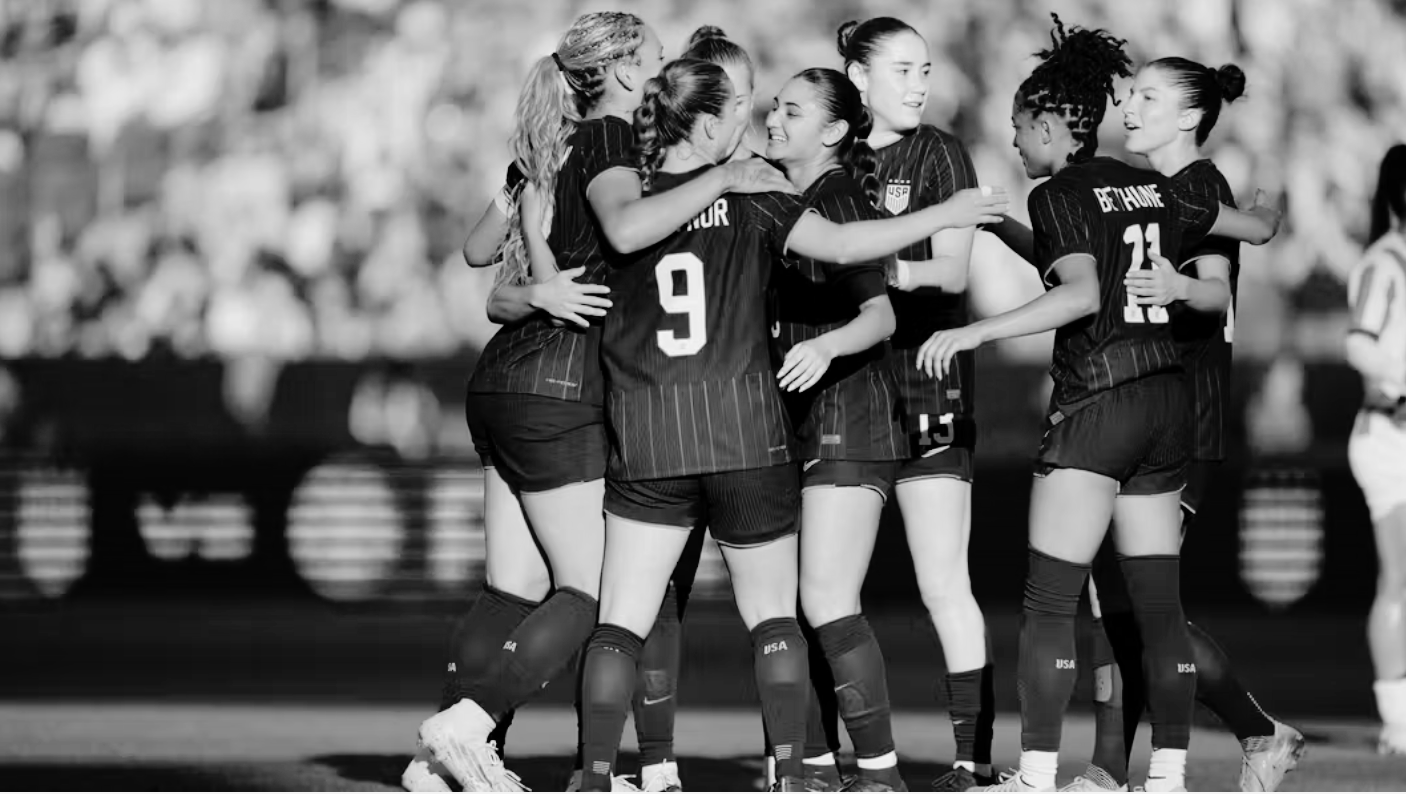
The USWNT has undergone significant change since its early exit from the 2023 Women's World Cup. Under head coach Emma Hayes, the program has embraced a long-term vision focused on developing depth, introducing young talent, and preparing for sustained success.
Hayes officially took over the national team in 2024 and immediately made an impact, leading the United States to the gold medal at the Paris Olympic Games. According to U.S. Soccer, the Americans won all six Olympic matches and did not concede a goal during the knockout rounds, reaffirming their status among the world's elite.
Rather than treating that Olympic success as the destination, Hayes has continued to experiment with lineups and expand the player pool. As U.S. Soccer has noted throughout its 2026 roster announcements, the emphasis has been on preparing for World Cup qualification and identifying the best possible squad for Brazil.
That approach may prove to be one of the team's greatest strengths.
Winning a World Cup requires more than a talented starting eleven. It requires depth, adaptability, and players who are prepared to step into high-pressure moments. The USWNT is using every international window to build those qualities before the tournament begins.
The Next Generation Is Ready
One of the most exciting aspects of this team is the number of players entering the prime of their careers.
Sophia Wilson, Trinity Rodman, Mallory Swanson, and Naomi Girma have already established themselves on the international stage, while younger players continue pushing for opportunities with the senior team. Hayes has consistently rewarded strong performances, creating healthy competition throughout the roster.
That competition makes the road to 2027 worth following now.
Every friendly, roster announcement, and international camp contributes to the story of who will eventually represent the United States in Brazil. Fans have the opportunity to watch that team take shape in real time rather than waiting until the opening match to learn the players' names.
The moments that define a World Cup often begin years before the opening whistle.
Winning Will Not Be Easy
The United States will enter Brazil with the expectation of competing for another World Cup title. But history alone will not make them favorites.
Women's soccer has never been more competitive.
Nations including Spain, England, France, Germany, and host nation Brazil continue investing heavily in player development and professional leagues. According to FIFA's "Setting the Pace" report, participation in women's football continues to grow worldwide while national federations are making unprecedented investments in coaching, infrastructure, and professional competitions.
That global investment has raised the level of play across the sport.
For the USWNT, that means the path to another championship will be more challenging than ever.
That is also what makes this tournament so compelling.
Fans will not be watching a predictable outcome. They will be watching elite athletes compete against the strongest international field the women's game has ever seen.
The best sporting moments rarely come from certainty. They come from pressure, resilience, rivalry, and athletes rising to meet the moment.
More Than a Tournament
The significance of the 2027 Women's World Cup extends well beyond the final score.
Today's women's soccer players are not only elite athletes. They are entrepreneurs, advocates, creators, and influential brand partners. Their impact reaches far beyond ninety minutes on the field.
A World Cup provides one of the largest global stages in sports.
A single goal or breakout performance can introduce a player to millions of new fans. For established stars, it can strengthen an already recognizable brand. For younger athletes, it can create opportunities that transform an entire career.
The tournament also represents something larger for women's sports.
According to Deloitte's "Future of Sport" research, investment in women's sports continues to accelerate as audiences, sponsorships, and media rights reach record levels. Women's soccer has been one of the primary drivers of that growth.
The 2027 World Cup will not begin the rise of women's soccer.
It will showcase just how far the game has already come.
Start Watching Now
Too often, women's athletes receive widespread attention only when they reach a championship game or stand on an Olympic podium.
But those defining moments begin long before the tournament itself.
They begin during training camps, roster battles, international friendlies, and the gradual development of a team capable of competing for a world title.
That is exactly where the USWNT is today.
Emma Hayes is building a roster with remarkable depth, established stars are entering their prime, and a new generation is ready to introduce itself to the world.
The men's World Cup reminded Americans how exciting international soccer can be.
The best way to carry that excitement forward is not to wait another four years.
It is to support the women who will take the world's biggest stage next.
The countdown to Brazil has already begun.
Now it's time for the rest of us to start watching.
Sources
FIFA.Brazil confirmed as host of the FIFA Women's World Cup 2027™.https://www.fifa.com/en/tournaments/womens/womensworldcup/brazil-2027
U.S. Soccer.Emma Hayes – U.S. Women's National Team Head Coach.https://www.ussoccer.com/
FIFA.Setting the Pace: FIFA Benchmarking Report on Women's Football.https://inside.fifa.com/womens-football
Deloitte.Future of Sport: Commercial Growth of Women's Sports.https://www.deloitte.com/
Why Now: The Case For Investing In Women’s Sports
Women’s sports have crossed a threshold that few asset classes ever reach: the market has gone from “promising” to “producing.” Deloitte projects global women’s elite sports revenue will hit $3 billion in 2026, a 25% jump from 2025’s $2.4 billion, and a 340% increase since 2022. That’s not a niche growing off a small base anymore. It’s a market compounding at a rate almost no other segment of sports, or media, can match.
For anyone evaluating where to deploy capital, attention, or partnership dollars, the numbers below aren’t a projection of what women’s sports could become. They describe what already happened.
The Upside Case
Valuations are re-rating in real time. The Golden State Valkyries, a WNBA expansion team that only began play in 2025, is now valued at $1 billion, the first women’s sports franchise in any country to cross that mark. Across the league, average WNBA team values rose 59% year-over-year in 2026, on top of a 180% gain the year before. The NWSL tells a similar story: average franchise value is up 77% since September 2024, and expansion fees have gone from $2 million in 2021 to $165 million for the league’s newest franchise. Whatever multiple you use to think about entry timing, it has moved sharply in the same direction for three straight years.
Media rights are being priced like premium content, not filler. The WNBA’s new 11-year media rights deal is worth roughly $2.2 billion, more than tripling the league’s prior annual value and outpacing the NBA’s own renewal rate. This matters beyond the WNBA specifically: it signals that broadcasters and streamers now view women’s sports as a distinct, monetizable audience rather than an add-on to men’s programming packages.
The audience is large, engaged, and still under-monetized relative to its size. U.S.audiences consumed 46 billion minutes of women’s sports content in 2025. The 2025 NWSL Championship drew over a million viewers for the first time in league history. The Milan Winter Olympics women’s hockey final became the most-watched women’s hockey game ever broadcast. None of this is a rounding error. It’s an audience that commercial partners are still catching up to, which is exactly the gap that makes early positioning attractive.
Sponsorship dollars are moving faster than the rest of the sports market. Women’s sports sponsorship grew 17.5% year-over-year in 2025, more than 3.5 times the growth rate of men’s leagues. WNBA sponsorship revenue alone grew 45% in a single year, from $72.3 million to $105 million, with average deal size up 21%. And it isn’t just volume: a recent survey found a third of brands sponsoring women’s sports reported results that beat their own expectations, suggesting the return on these deals is outperforming the market’s prior assumptions about them.
Institutional capital is already moving in, which de-risks the thesis for everyone behind it. Arctos Partners, RedBird Capital, Blue Owl, Sixth Street, Carlyle Group, and Monarch Collective (a fund founded specifically to invest in women’s sports) have all taken ownership positions inNWSL and other women’s franchises. Dave Checketts, the former Utah Jazz and Knicks executive, raised a $1.2 billion fund targeting golf and women’s sports specifically. When sophisticated, professional capital allocators commit at this scale, it’s a signal that the growth case has cleared institutional-grade diligence, not just enthusiasm.
How The Investment Actually Happens
Capital and commercial interest flow into women’s sports through several distinct channels, each with a different risk profile, entry point, and time horizon.
Team and league ownership. This is the highest-conviction, highest-capital-requirement route: buying an equity stake in a franchise, either at expansion (the NWSL’s newest franchise fee was $165 million; the WNBA’s newest expansion teams paid $250 million each) or through secondary sale of an existing team’s equity. Since 2024, the NWSL has also permitted private equity firms to take majority or full control of individual franchises, which has opened the door for institutional funds, rather than only wealthy individuals or ownership groups, to hold controlling stakes. Valuations here have moved the fastest of any category, which cuts both ways: it rewards early entry but raises the bar for future upside.
Sponsorship and brand partnerships. This is the most accessible entry point and the one growing fastest in raw dollar terms. Brands are buying league-level, team-level, or athlete-level sponsorships (jersey patches, media rights bundles, activation rights), and, per the data above, are seeing return on that spend outperform their own forecasts. It requires far less capital than ownership and offers a shorter feedback loop on whether the investment is working.
NIL and athlete endorsement deals. Name, image, and likeness deals let brands and investors back individual athletes directly rather than teams or leagues. Women’s college basketball has been the biggest beneficiary: Flau’jae Johnson’s NIL valuation sits at roughly $1.5 million, and women athletes have in some periods captured a larger share of top- partnership dollars than their male counterparts. NIL is attractive because it’s talent-specific: you’re underwriting an individual’s brand trajectory rather than a franchise’s balance sheet. But it also carries individual-athlete risk (injury, performance, eligibility) that team-level investment doesn’t.
Media rights and content. Broadcasters, streamers, and rights holders are a category of investor in their own right, paying for the right to distribute games and content. The WNBA’s $2.2 billion, 11-year deal is the clearest example, but rights fees are climbing across leagues and tournaments as the audience data above continues to prove out. For investors, this shows up less as direct equity and more as an indicator of where the addressable audience, and future sponsorship and ownership value, is heading.
Private equity and dedicated funds. For investors who want exposure to women’s sports without picking a single team, athlete, or media deal, funds like Monarch Collective and Checketts’ Cynosure vehicle offer diversified exposure across multiple franchises or sports. This is the newest and least-tested of the structures, but it’s the one most analogous to how institutional capital typically enters an emerging asset class, through a fund manager who can spread risk across several bets rather than concentrating it in one.
The Bottom Line
Every major indicator (valuation, media rights, viewership, sponsorship return, and the pace of institutional capital inflow) is moving in the same direction at the same time, and has been for three consecutive years. That kind of alignment across revenue lines is unusual, and it’s part of why the entry points into this market have already started to reprice. None of this is investment advice, and every one of these vehicles carries its own risk profile and diligence requirements. But the data makes a clear case that the question for investors is no longer whether women’s sports is a legitimate asset class. It’s which entry point fits their capital, timeline, and risk tolerance.
Sources
Deloitte, SponsorUnited, On3 NIL Rankings, Sportico WNBA Valuations, Sportico NWSL Valuations,
Sportico NWSL Expansion, Nielsen, SportsPro on WNBA media rights, Forbes on brand investment,
SportsPro on Checketts fund.
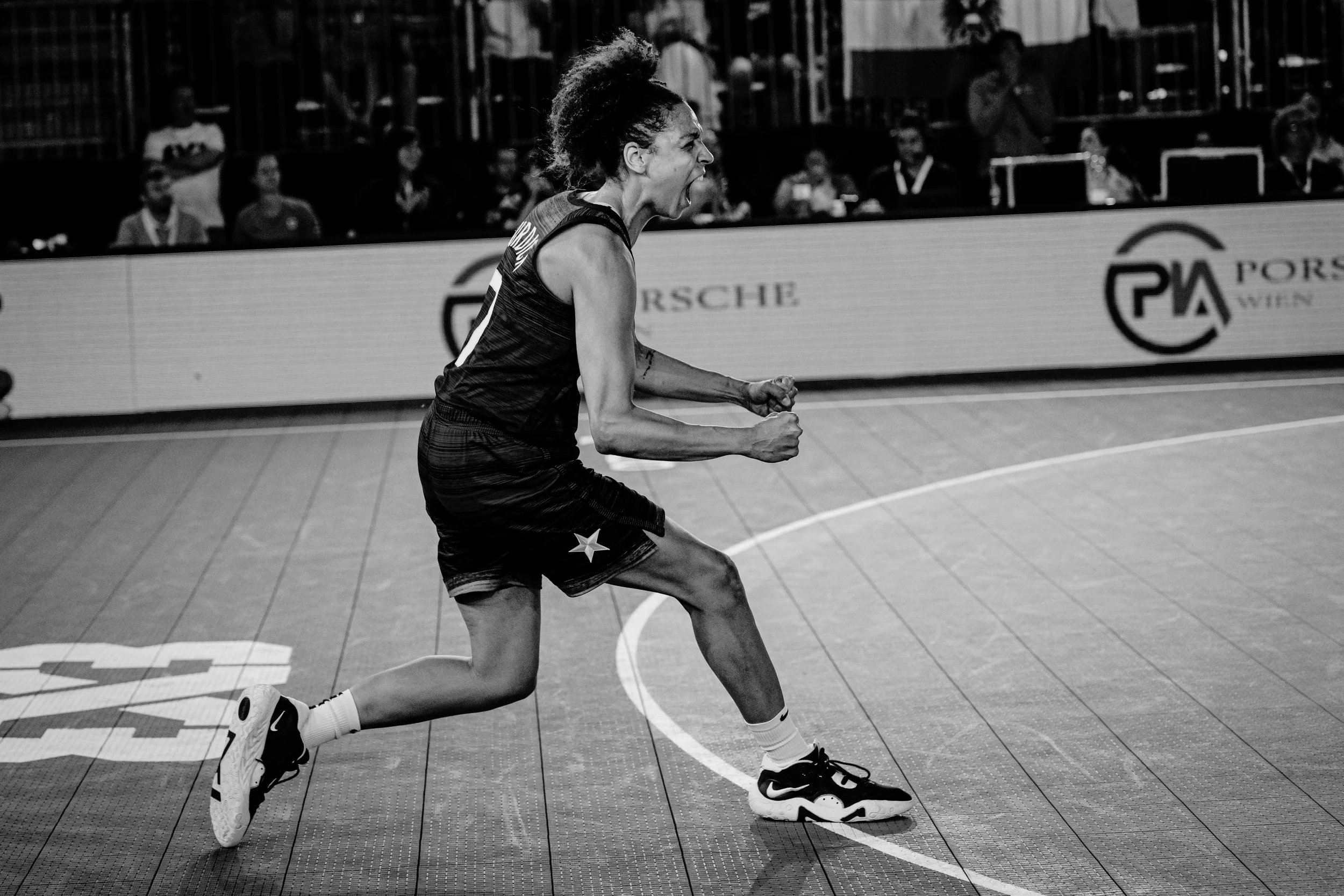
How a New Generation of Stars Is Transforming the WNBA
A little over a month into the WNBA season, one thing is becoming increasingly clear: women's basketball is experiencing a cultural shift unlike anything we've seen before.
For years, fans, athletes, and advocates have argued that women's sports deserved more attention, more investment, and more visibility. Today, we're watching that argument become reality. The WNBA is not only growing, it's evolving. And much of that evolution is being driven by a new generation of stars led by players like Caitlin Clark and Paige Bueckers.
But this isn't just a story about points scored or highlights posted. It's a story about how the definition of a superstar is changing.
The Modern WNBA Star Is Bigger Than Basketball
Traditionally, professional athletes built their brands through on-court performance. Win games. Make All-Star teams. Collect championships.
While performance still matters, today's sports landscape requires something more.
Athletes are now storytellers, content creators, entrepreneurs, and cultural influencers. Fans don't simply watch games anymore. They follow athletes on social media, listen to their interviews, buy products they endorse, and invest emotionally in their journeys.
Players like Caitlin Clark and Paige Bueckers have become examples of this new reality. Their appeal extends far beyond the basketball court. They have become recognizable names to casual sports fans, young athletes, brands, and media outlets alike. As noted by the Fairbanks Daily News-Miner, both athletes entered the professional ranks with unprecedented visibility and fan support, helping usher in a new generation of WNBA stars whose influence extends well beyond game day.
That level of visibility creates something every league wants: attention.
And attention drives everything else, viewership, sponsorships, media coverage, and ultimately revenue.
The WNBA's Growth Moment
The WNBA has spent decades building a foundation. What we're seeing today is the result of years of investment from players, coaches, teams, and advocates who continued pushing the sport forward long before it became a mainstream conversation.
Now, the league is benefiting from a perfect storm.
Record-breaking college stars are entering the professional ranks. Social media makes player personalities more accessible than ever. Brands are increasingly recognizing the value of women's sports audiences. Fans who may never have watched a WNBA game before are tuning in out of curiosity and staying because of the quality of play.
According to Operative's analysis of the league's growth, the WNBA has experienced significant increases in viewership, sponsorship investment, media attention, and fan engagement in recent years. What was once viewed as a niche property is increasingly becoming a major force within the broader sports landscape.
The rise of stars like Clark and Bueckers has helped accelerate this momentum, but they are far from the only reason for it. Veterans and established stars have spent years elevating the league and creating opportunities for the next generation to thrive.
What makes this moment different is the scale.
The conversations surrounding the WNBA are no longer limited to basketball circles. They are happening across sports media, business publications, marketing conferences, and boardrooms.
People are paying attention.
A New Blueprint for Athlete Branding
One of the most interesting developments in women's sports is how athletes are building personal brands.
The traditional model often required athletes to wait for opportunities from teams, leagues, or sponsors. Today's athletes have more control over their own narratives.
Through social media, podcasts, partnerships, and content creation, players can connect directly with audiences. Fans get a behind-the-scenes look at training, recovery, personal interests, and everyday life.
That connection creates loyalty.
When fans feel invested in an athlete's story, they are more likely to support the teams they play for, purchase merchandise, watch games, and engage with sponsor partnerships.
For brands, this is incredibly valuable.
Athletes are no longer simply endorsers. They are media channels, community builders, and trusted voices. The most successful partnerships today are built around authenticity rather than visibility alone.
The WNBA's emerging stars are demonstrating what that future looks like.
What This Means for Women's Sports
Perhaps the most exciting part of this moment is what it represents beyond basketball.
The growth of the WNBA serves as proof that investment in women's sports works. When leagues, brands, media companies, and fans commit resources and attention, audiences respond.
For years, many people questioned whether women's sports could generate the same level of excitement and commercial opportunity as men's sports. The answer increasingly appears to be yes.
Not because women's sports are trying to imitate men's sports, but because they are creating their own unique value.
The athletes, stories, communities, and fan experiences are compelling on their own.
As more leagues, teams, and athletes embrace this reality, we will likely see similar growth across soccer, volleyball, softball, hockey, and other women's sports properties.
The opportunity is much bigger than any single player or season.
Looking Ahead
A month into the WNBA season, the league's momentum shows no signs of slowing down.
Players like Caitlin Clark and Paige Bueckers are helping redefine what modern sports stardom looks like, but their impact extends beyond individual achievements. They are part of a larger movement that is changing how athletes build brands, how fans engage with sports, and how businesses think about investment in women's athletics.
The future of women's sports is being written right now.
And if the first month of this season is any indication, the next chapter may be the most exciting one yet.
At The Archive Agency, we're always interested in conversations around athlete branding, the business of women's sports, and the evolving opportunities available to athletes and brands alike. If you'd like to discuss how these trends are shaping the future of sports marketing, we'd love to connect.
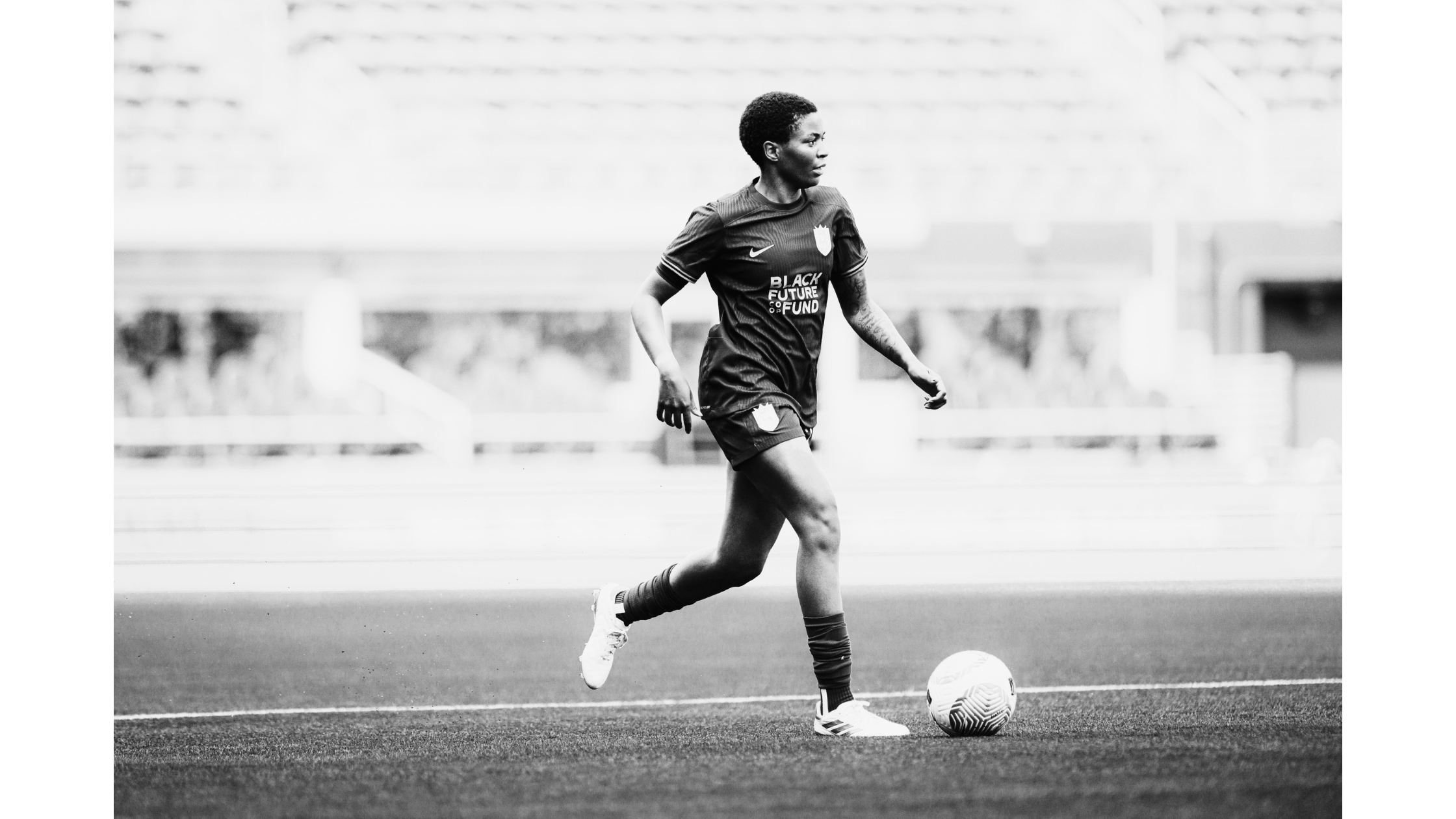
Inside the Locker Room: Culture, Leadership, and What Actually Wins Championships
It All Begins Here
The National Women's Soccer League season is officially underway. From the outside, it looks like what we always expect: goals, highlights, stats, and standings. But if you’ve ever been part of a team, you know that championships aren’t won on the scoreboard.
They’re won in the locker room.
They’re built in the conversations no one hears, in the standards no one posts, and in the culture you either commit to or slowly let fall apart. At the highest level, talent is assumed. What actually separates teams is everything happening beneath the surface.
Culture Is the System Behind Performance
We tend to focus on performance because it’s visible. It’s easy to measure and easy to celebrate. But performance doesn’t exist on its own. It’s the result of something deeper. Culture is that foundation.
Research from Harvard Business Review shows that culture can account for “20–30% of the differential in corporate performance.” That kind of impact isn’t limited to business. In sports, it shows up in how consistently a team performs, how they handle pressure, and how they respond when things don’t go their way.
When you watch the best teams in the NWSL, you can feel it immediately. There’s a level of alignment that goes beyond tactics. Players trust each other. Communication is clear. Energy is consistent. That kind of cohesion doesn’t happen by chance. It’s built intentionally over time.
Culture Is Built in the Small Moments
It’s easy to think culture is defined in big moments like playoffs or championship games. In reality, it’s built in the ordinary ones.
It shows up in practice when no one is watching closely. It shows up after mistakes, when players either hold themselves accountable or shift the blame. It shows up in whether standards stay consistent or quietly start to slip.
According to McKinsey & Company, organizations with strong cultures demonstrate higher levels of performance and resilience over time. That idea translates directly to sports. Teams with strong culture don’t just win occasionally. They sustain success because they’ve built habits that hold up under pressure.
By the time a game is on the line, culture has already done its work.
Leadership Happens Without a Title
One of the biggest misconceptions in sports is that leadership belongs to a select few. In reality, leadership is something every athlete contributes to, whether they realize it or not.
It’s not about who has the captain’s armband. It’s about who sets the tone.
Leadership shows up in how you train, how you communicate, and how you respond when things feel off. It’s choosing to speak up when something needs to be addressed. It’s maintaining standards even when it would be easier not to.
The Center for Creative Leadership defines leadership as “a social process that enables individuals to work together to achieve results.” That definition matters because it shifts leadership away from authority and toward influence.
In a locker room, influence is everything. It shapes energy, accountability, and trust. And those are the things that ultimately shape outcomes.
Trust Is What Holds Everything Together
Talent might get a team noticed, but trust is what allows them to perform at their highest level.
Trust isn’t built overnight. It develops through consistency, honesty, and follow-through. It’s created in the small moments when players do what they say they’re going to do and take ownership when they fall short.
When trust is present, teams play differently. They communicate more openly. They take calculated risks. They recover faster from mistakes because they aren’t afraid of judgment.
Research published in the Journal of Applied Sport Psychology highlights a strong connection between team trust, cohesion, and performance outcomes. In other words, trust isn’t just a nice-to-have. It’s a competitive advantage.
What This Looks Like Right Now
As the NWSL season unfolds, you can already see the difference between teams that have built strong internal cultures and those that haven’t.
Some teams move as a unit. Their communication is constant, their energy is steady, and their responses to adversity are controlled. Other teams show flashes of talent but struggle with consistency, especially under pressure.
That gap isn’t about skill. At this level, everyone is talented. The difference comes down to how connected the team actually is.
Over the course of a long season, talent tends to even out. Culture does not.
The Reality Most Teams Avoid
Every team believes they have a strong culture.
But culture isn’t defined by what you say. It’s defined by what you allow.
If effort drops and nothing is said, that becomes the standard. If negativity spreads without being addressed, that becomes part of the environment. If expectations shift depending on the day, that inconsistency becomes the culture.
On the other hand, when accountability is consistent and everyone buys in, the entire dynamic changes. Teams become more disciplined, more connected, and more difficult to beat.
That’s when teams move from being good to becoming championship-level.
Why This Matters for You
You don’t have to be playing in the NWSL for this to apply.
Every team at every level has a culture. The real question is whether you are actively shaping it or simply existing within it.
Championship teams are intentional. They know what they stand for and they commit to it daily. They don’t wait for big moments to show up differently. They build habits that make those moments easier to handle. And every athlete has a role in that process.
Talent will always matter. It’s what gets you on the field. But culture, leadership, and trust are what determine how far you go.
As this NWSL season continues, pay attention to more than just the highlights. Watch how teams communicate, how they respond to pressure, and how they carry themselves when things aren’t going their way.
That’s where championships are actually built.
And if you’re an athlete, that’s where your opportunity is.
Ready to Build?
If you need help building your brand, negotiating your next sports contract, or landing the sponsorship deal that reflects what you're actually worth, reach out. We are breaking barriers every day at The Archive Agency. We've read the contracts. We know the math. And we're here to make sure women aren't just part of the story, they are the story.
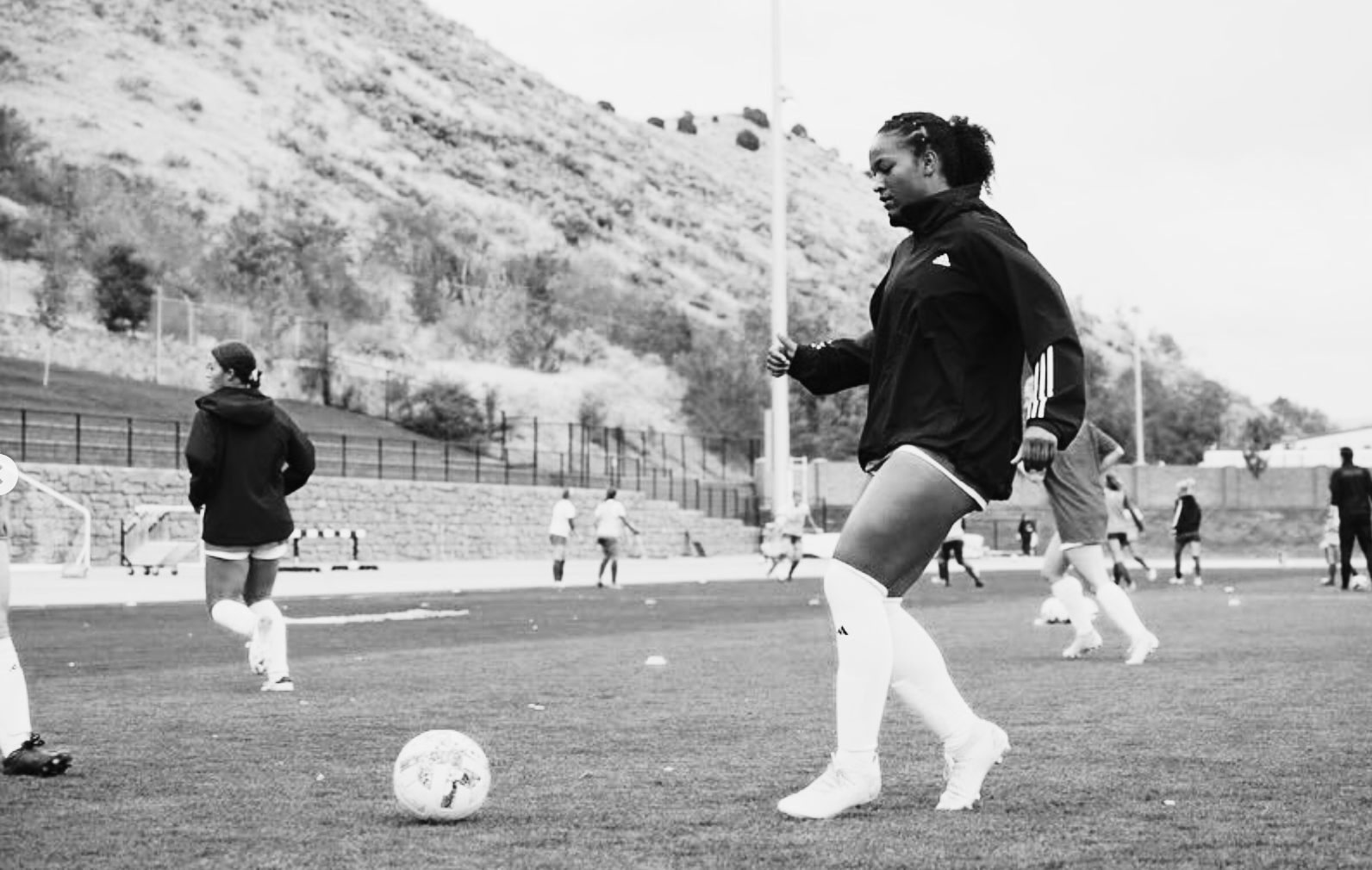
How Alternative Soccer Tournaments Are Changing Women’s Sports
It All Begins Here
Women’s sports are entering a new era, and some of the biggest momentum is coming from alternative tournaments that are changing the way athletes, fans, and brands engage with the game. One of the clearest examples of this shift is The Soccer Tournament, better known as TST.
Next weekend, May 27 through June 1, one of our own athletes, Mary Za, will compete as part of Solo FC, a team led by legendary goalkeeper Hope Solo. While TST may look like just another competition on the surface, it represents something much bigger happening across the sports industry.
Alternative tournaments are no longer side events. They are becoming major opportunities for exposure, sponsorship, and athlete branding.
TST was built around a fast-paced 7v7 format with a winner-take-all prize structure. The tournament awards one million dollars to its champions, immediately putting it into conversations about athlete compensation and the future of sports entertainment. Unlike more traditional formats, tournaments like TST are designed for today’s audience. They move quickly, lean heavily into social media, and create space for athletes to showcase not only their talent, but also their personalities.
That matters because attention has become one of the most valuable currencies in sports.
For years, women athletes have had to fight for visibility in systems that are often underinvested in marketing and storytelling. Alternative tournaments are helping change that. Instead of relying solely on traditional leagues for exposure, athletes now have additional platforms where they can build audiences, grow their brands, and connect directly with fans.
Fans today want more than game highlights. They want personality, behind-the-scenes content, emotion, and authenticity. Tournaments like TST understand this shift and embrace it. The format creates energy and unpredictability, while the content around the event helps fans feel connected to the athletes competing.
That combination is especially attractive to sponsors.
Brands are increasingly investing in women’s sports because they recognize how engaged and influential these audiences are. But many companies are also looking for spaces that feel innovative and culturally relevant. Alternative tournaments create those opportunities. They offer brands a chance to align themselves with athletes, communities, and moments that feel fresh and authentic rather than overly corporate.
This is also part of a larger shift happening across sports media. Fans are no longer consuming sports in just one way. They are watching clips on TikTok, following athletes on Instagram, listening to podcasts, and engaging with sports culture online every day. Athletes who understand how to connect with audiences beyond the game itself are building long-term value for their careers.
That is one reason events like TST are so important.
For athletes, these tournaments are not just competitions. They are platforms. They create opportunities to reach new audiences, collaborate with brands, and build visibility outside of a traditional season structure. Women athletes in particular have often had to build their own visibility through creativity and community, and alternative tournaments give them another space to do exactly that.
For Mary Za, competing in TST is about more than stepping onto the field. It is an opportunity to be part of a growing movement in sports that values both athletic performance and athlete identity. The athletes gaining the most traction today are not just talented competitors. They are storytellers, creators, and leaders within their communities.
There is also something important about how accessible these tournaments feel. Fans can engage with athletes more directly, content feels less filtered, and the overall experience feels more personal. That authenticity is part of why audiences are responding so strongly.
The growth of tournaments like TST sends a larger message about the future of women’s sports. There is no longer just one pathway to visibility or opportunity. The sports landscape is becoming more athlete-driven, more creative, and more connected to culture than ever before.
As Mary Za heads to North Carolina next weekend with Solo FC, she is stepping into more than a tournament. She is stepping into a sports movement that is reshaping how athletes build careers, how brands invest, and how fans experience the game.
The future of sports is not only being built inside traditional leagues. It is also being built through new formats, digital storytelling, and athlete-driven platforms bold enough to reimagine what sports can look like.
And women athletes are helping lead that future.
Ready to Build?
If you need help building your brand, negotiating your next sports contract, or landing the sponsorship deal that reflects what you're actually worth, reach out. We are breaking barriers every day at The Archive Agency. We've read the contracts. We know the math. And we're here to make sure women aren't just part of the story, they are the story.
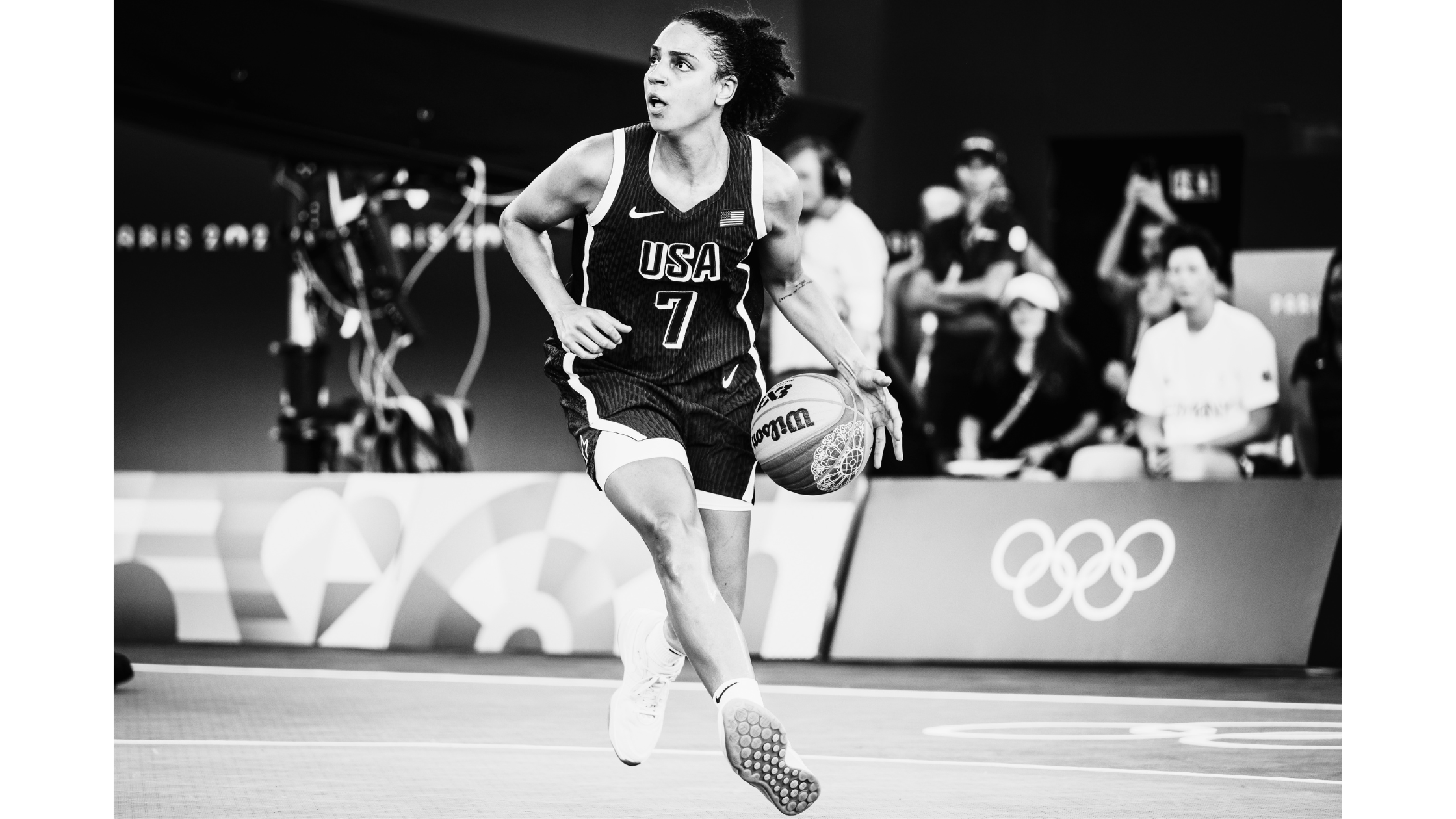
Building A Personal Brand As a Woman Athlete In 2026
It All Begins Here
Tonight, history tips off at Coca-Cola Coliseum in Toronto. The Toronto Tempo, the WNBA's first international franchise, makes its debut against the Washington Mystics, kicking off the 30th season of the league and writing a new chapter in women's sports (Streets of Toronto, 2026). It is the kind of moment that stops you mid-scroll, mid-warmup, mid-everything, and reminds you: this is real, this is now, and this is ours.
But here's what the confetti and the highlight reels won't tell you, for every player stepping onto that court tonight, there is a brand story being written. Some of those athletes know it. Some don't, yet.
If you're a woman in sport, at any level, in any arena, May 8, 2026, is more than an opening night. It's a mirror. Women's sports are having a cultural and commercial moment unlike anything we've seen before, and the question is no longer if you should build your brand. It's whether you're going to take ownership of it, or let someone else define it for you.
The Market Is Moving. Are You?
Let's talk numbers, because they matter.
Sponsorship deals across women's sports grew 12% year-over-year in the 2024–25 season, outpacing the 8% growth across the five major men's professional leagues, nearly 50% faster (SponsorUnited, Women in Sports Marketing Partnerships 2024–25). Women's sports revenues are projected to reach $2.35 billion in 2025, roughly triple the value of just three years ago (Sportcal, 2025).
WNBA players are leading the charge individually. WNBA rookie Cameron Brink closed 31 endorsement deals in a single season, including a landmark partnership with New Balance, making her the first female basketball player to sign with the brand. Angel Reese holds 25 deals spanning Beats by Dre and McDonald's (SponsorUnited, 2025). Coco Gauff leads all women's sports earners with $31 million in total 2025 earnings, with $23 million coming from endorsements alone (Cassius Life / Sportico, 2025).
These athletes aren't just talented. They're intentional.
The brands coming into women's sports are not showing up for charity. They're showing up because the data is undeniable: 77% of people who follow women's sports athletes on social platforms report being positively influenced to discover, consider, or purchase a product (Path to Purchase Institute, 2025). Fans of women's sports are nearly three times as likely to buy from a brand endorsed by a woman athlete compared to traditional influencer marketing (Parity, 2025).
You, as a female athlete, are a commercial asset. The only question is whether you know your value and how to communicate it.
Your Identity Is Your Strategy
Personal branding is not vanity. It is strategy.
Here is the truth that took many athletes years to learn: your sport got you in the room, but your brand keeps you there, and opens doors your sport alone never could. The sponsorship conversations, the speaking opportunities, the post-career foundation, the media deals, all of it is downstream of how clearly you can communicate who you are and what you stand for.
So before you post, pitch, or partner with anyone, ask yourself three foundational questions:
What do I value? Not what looks good on a press release. What actually drives you, family, social justice, mental health, faith, community, excellence? Your values are the spine of your brand. Everything else is built around them.
What is my story? Every athlete has one. The journey isn't just the stats; it's the setbacks, the mentors, the 5 a.m. decisions, the moments nobody saw. Authenticity is the most powerful currency in the current landscape, and audiences can sense when it's missing. A University of Kansas study of 30 elite athletes found that authenticity consistently emerged as the single most important factor in personal brand building, with athletes reporting that sharing real journeys, including setbacks and hard days, built far deeper trust than curated highlight reels alone (University of Kansas, Bredikhina, 2023).
Who am I beyond my sport? This is the question that separates athletes who build lasting brands from those who disappear when the season ends. Female athletes have historically been compelled by limited media coverage to tell their own stories directly on social platforms, and many have done it better than any PR team could (Path to Purchase Institute, 2025). Your multidimensionality is not a distraction from your brand. It is your brand.
Own Your Platforms, Own Your Narrative
In 2026, the athlete who controls her social media controls her story.
Female athletes on TikTok and Instagram are generating engagement that traditional broadcast models cannot match. Players from the England women's rugby team, for example, generated 75% more TikTok views than their male counterparts, driven entirely by personality-led storytelling (Sportcal, 2025). Brands are watching these numbers closely. An athlete's owned audience and influence now sit alongside on-field performance as a core driver of sponsorship value (Sportcal, 2025).
Social content is also the top source of influence for 44% of fans globally, allowing athletes to build their own narratives without relying on traditional media gatekeepers (Snapchat / Collage Group, 2025). And that influence converts: 76% of consumers view brands associated with women athletes more favorably, while brands investing in women's sports see 24% higher brand awareness on average (Women's Sports Foundation / Nielsen, via Marketing-Interactive, 2026).
But platform presence is not about posting constantly. It's about posting intentionally.
One critical note, do not partner with brands that don't align with your values just for a quick check. The audience you're building is smart, and they will notice the mismatch before you do. The most durable partnerships are built on genuine fit. As Gorjana's director of marketing explained about their athlete deals: they enter relationships where athletes have already been wearing the brand long before any contract is written, because authentic affinity is the foundation of every successful long-term partnership (Modern Retail, 2026).
Authenticity isn't a buzzword. In women's sports right now, it is the entire ballgame.
Key Point #3: Know the Business of Being You
Here is where many female athletes leave significant money on the table: they build the brand, grow the following, show up with full authenticity, and then walk into a sponsorship negotiation unprepared, undervalued, or alone.
Building your identity is only part of the equation. Knowing how to monetize it, protect it, and negotiate for it is the other half.
The NIL (Name, Image, and Likeness) market is projected to exceed $2.5 billion globally by the end of 2026 (Sporting Goods Intelligence, 2026). Sponsorship deals in women's sports are being structured more sophisticatedly than ever, with accountability built around digital engagement, community impact, and content performance, not just logo placement (Sportcal, 2025). Brands want storytelling. They want audience engagement. They want credibility. If you walk into those conversations without understanding your own leverage, you will be undervalued by default.
A few things every female athlete should know going into any partnership conversation:
Your engagement rate matters as much as your follower count. Brands are increasingly measuring the quality of an audience, not just its size. Top-performing women's sports campaigns in 2025 averaged a 6.4% engagement rate, with standout activations reaching 3 to 10 times higher than industry benchmarks (Parity, 2025). A highly engaged community of 15,000 can outperform a passive following of 150,000.
Exclusivity costs more. If a brand wants you to stop working with their competitors, that restriction has a price, and it should be in the contract.
Your brand equity grows over time. The deals you sign now set the market rate for what comes next. Do not underestimate the precedent you're setting for yourself and for the women who follow you.
You should not have to figure all of this out alone. The athletes who are winning commercially are the ones who have teams around them, agents, managers, and strategists who understand both the sports landscape and the business landscape. The Toronto Tempo opening tonight is not just a team stepping onto the court. It's a franchise built by people who know how to negotiate, how to structure value, and how to make history in rooms where women weren't previously invited (Sports Brackets, 2026).
That same approach belongs in your corner.
The Record Starts Here
The Toronto Tempo took the court tonight as the first WNBA team outside the United States. This team was not an accident. It was architected, negotiated, and built by people who understood their value and refused to accept the terms that were handed to them.
That is the energy women's sports is running on right now. And you are in it.
You are not waiting for permission to be seen. You are not waiting for a broadcast deal to legitimize your story. You are not waiting for the market to catch up to your value. You are the brand, and the record starts now.
Ready to Build?
If you need help building your brand, negotiating your next sports contract, or landing the sponsorship deal that reflects what you're actually worth, reach out. We are breaking barriers every day at The Archive Agency. We've read the contracts. We know the math. And we're here to make sure women aren't just part of the story, they are the story.
The Math is Changing In Women’s Sports
It All Begins Here
For years, investing in women’s sports was framed as a “good cause.” Now, it’s something else entirely: a smart, high-growth business decision.
If you’re a brand marketer or investor, the shift isn’t subtle, it’s structural. The economics of women’s sports are evolving fast, and the gap between early adopters and latecomers is about to widen.
The Numbers Are Finally Catching Up
The recent momentum behind leagues like the WNBA and the NWSL isn’t just cultural, it’s financial.
The WNBA’s latest collective bargaining agreement is setting new benchmarks for player compensation, signaling long-overdue progress in pay equity and league investment. At the same time, NWSL athletes are securing record-breaking contracts, reflecting both rising demand and increased commercial viability (Case Western Reserve University Observer, 2025).
This isn’t happening in a vacuum. According to the World Economic Forum, women’s sports are seeing rapid growth across revenue streams, from media rights to sponsorships, creating tangible returns for investors and brands alike (World Economic Forum, 2025). The narrative has shifted: this is no longer about potential; it’s about performance.
This Isn’t a Moment, It’s a Market Shift
What we’re seeing right now is history in real time.
Women’s sports are building audiences that are deeply engaged, digitally native, and increasingly global. Fans aren’t just watching, they’re buying, sharing, and showing up. And importantly, they’re paying attention to which brands are supporting the athletes and leagues they care about.
Data backs this up. Insights from SponsorUnited show a sharp rise in sponsorship deals across women’s sports, with brands recognizing both the visibility and authenticity these partnerships offer (SponsorUnited, 2025). Compared to traditional men’s sports sponsorships, which are often saturated and expensive, women’s sports provide a rare combination of accessibility and impact.
In other words: the ROI conversation is changing.
Why Brands Should Be Paying Attention Now
There’s a tendency to wait until a market “proves itself.” In women’s sports, that window is closing quickly.
The brands that are winning right now are the ones who saw this shift early, not just as a diversity play, but as a strategic investment. They’re building relationships with athletes, securing long-term partnerships, and positioning themselves as part of the growth story.
Because here’s the reality: as valuations rise and competition increases, access becomes more expensive. What feels like a “risk” today will look like a missed opportunity tomorrow.
And the upside isn’t just financial. Investing in women’s sports aligns brands with values that matter, equity, empowerment, and progress, without sacrificing performance. It’s one of the few spaces where purpose and profit are moving in the same direction, at scale (World Economic Forum, 2025).
The Growth Curve Is Just Getting Started
If you zoom out, the trajectory is clear.
Media rights deals are expanding. Athlete visibility is increasing. League infrastructure is improving. And perhaps most importantly, the next generation of fans is growing up with women’s sports as a central part of their sports ecosystem, not an afterthought.
This compounds over time.
What we’re seeing now is the early phase of a long-term growth curve, one that will reshape how sports are consumed, marketed, and monetized. And for brands, the question isn’t whether to invest. It’s how quickly you can get in, and how strategically you can build (SponsorUnited, 2025).
Where Strategy Comes In
The opportunity is real, but so is the complexity.
Navigating athlete partnerships, sponsorship deals, and league dynamics requires more than just interest, it requires insight. Understanding how to structure deals, align with the right talent, and build campaigns that actually resonate is where the difference is made.
That’s where we come in.
At The Archive Agency, we’re not just watching this shift, we’re helping shape it. We work at the intersection of athletes, brands, and culture to build partnerships that are both meaningful and commercially smart.
If you’re thinking about your next move in women’s sports—whether it’s a sponsorship, a partnership, or a broader investment strategy, we’d love to help you get it right.